Turn the sample into a reference
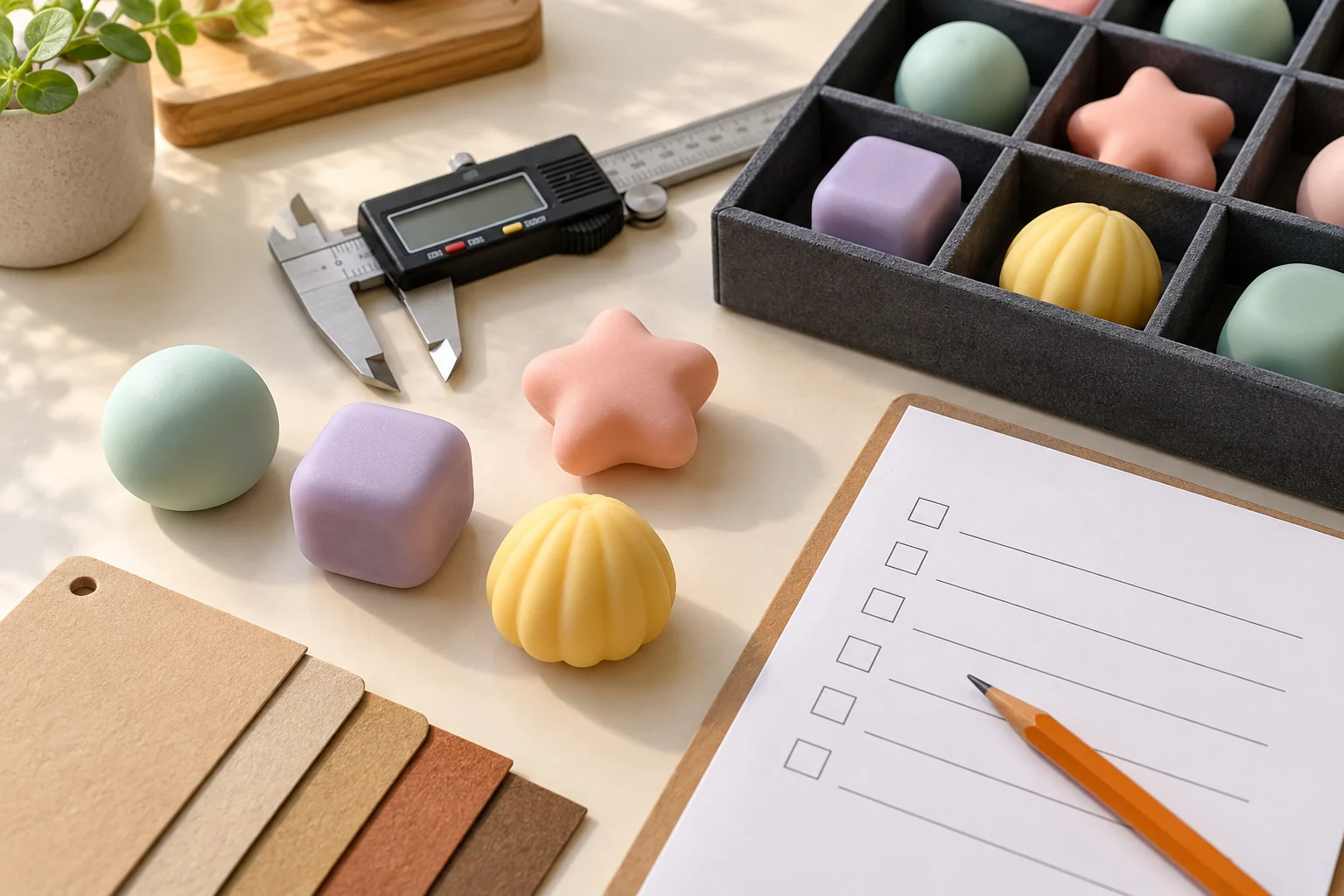
Record product appearance, dimensions, function, material or filling and the intended packaging. Confirm acceptable variations with the supplier. A signed or otherwise documented sample approval gives the inspection team a usable reference.
Define the inspection scope
Agree what will be inspected, the sampling approach, defect criteria, reporting and timing. Packaging, labels, carton contents and count checks may need to be included separately. Costs and reinspection arrangements belong in the quote.
Keep testing separate
Visual inspection does not replace laboratory testing or destination-market compliance. Confirm which documents apply to the exact product and version. A general supplier certificate should not be presented as approval for the entire assortment.
Decide before dispatch
Review findings and agree release, rework or another remedy before collection. Responsibility for replacements, shortages or defects is governed by the confirmed purchase and service terms.
When checks happen and what they cover
Three common checkpoints are mid-line (after the first batch comes off production, to catch setup problems early), final random inspection (at 100% production and 80%+ packing, typically sampled to an agreed AQL level), and container-loading supervision (verifying carton counts, marks and that the right cargo goes into the right container). Each covers appearance, function, dimensions, finish, labels, barcodes, warning text, quantity and pack contents. If a check fails, we coordinate the rework or re-inspection with the factory and show the cost before it is done.